logo
होम समाचार

Low-Voltage vs. Medium-Voltage Cables: How Design Differences Shape Installation

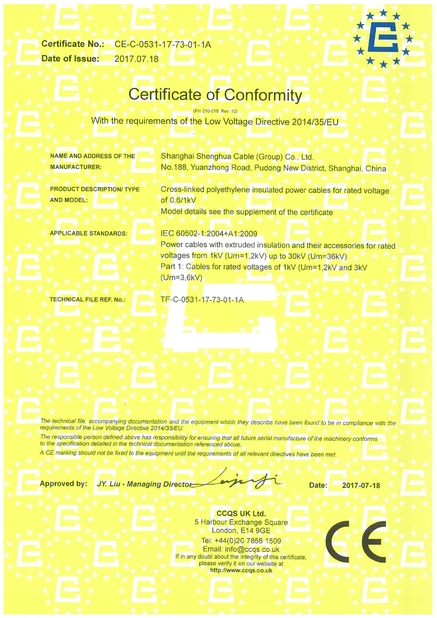
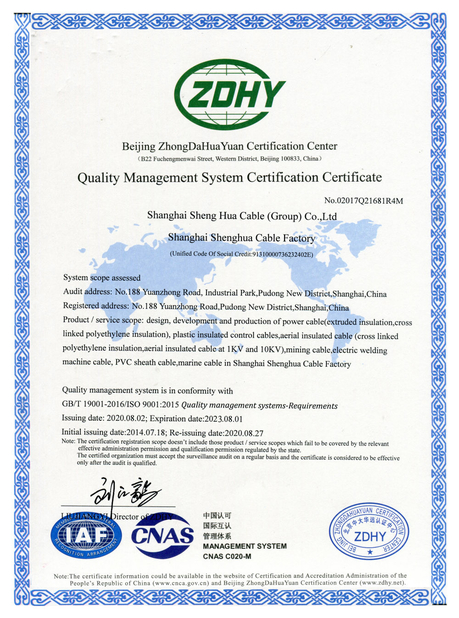
चीन Shanghai Shenghua Cable (Group) Co., Ltd. प्रमाणपत्र
अच्छा सप्लायर, तेज गति प्रतिक्रिया, तेजी से वितरण समय, उच्च गुणवत्ता वाले उत्पाद। मैं आपको ढूंढने के लिए भाग्यशाली हूँ!

—— जॉन स्मिथ

हम 5 वर्षों के साथ मिलकर काम करने जा रहे हैं, वे अच्छे सप्लायर और अच्छे freinds हैं, उनके साथ काम करने के लिए हमारे सम्मान।

—— मोहम्मद रेबाई

मैं इस कंपनी की सेवा से बहुत खुश हूं, मेरा मानना ​​है कि उनका व्यवसाय बेहतर और बेहतर होगा।

—— डैनियल

आपकी पेशेवर प्रस्तुति और सेवा जो आपने हमें दी है वह एक स्थायी उद्घाटन का अनुकूलन है। Shenghua अधिक उज्ज्वल भविष्य होना चाहिए।

—— रेन्डेल ब्रूस्टर

Шенгхуа с а цредібле тнтерпрісэ, в хве эстаблішед цооператы ф и орд з ерс анд віл кеп лонг тэрм црапоораты।

—— KHADBAATAR

मैं अब ऑनलाइन चैट कर रहा हूँ
कंपनी समाचार
Low-Voltage vs. Medium-Voltage Cables: How Design Differences Shape Installation
के बारे में नवीनतम कंपनी की खबर Low-Voltage vs. Medium-Voltage Cables: How Design Differences Shape Installation
Low-Voltage vs. Medium-Voltage Cables: How Design Differences Shape Installation

Choosing the right cable is critical for any electrical project. The technical distinctions between low-voltage (LV) and medium-voltage (MV) cables are profound, directly determining their applications, safety protocols, and installation methods. Understanding these differences is key to ensuring a reliable, efficient, and compliant power system.

Core Differences: Construction & Design

Low-Voltage Cables​ (typically rated up to 1000V) feature a simpler, more economical design. They commonly use single-layer PVC or XLPE insulation, are often unarmored for indoor use, and have smaller conductor cross-sections. This makes them ideal for internal wiring in residential, commercial, and light industrial settings—powering everything from outlets and lighting to control systems.

Medium-Voltage Cables​ (typically 1kV to 35kV) are engineered to handle significantly higher electrical stress. Their construction is more complex and robust:

  • Multi-Layer Insulation System:​ This includes conductor and insulation screens​ (semi-conductive layers) to control electric field distribution and prevent partial discharge.
  • Enhanced Insulation:​ High-grade XLPE provides superior dielectric strength and thermal endurance.
  • Integrated Shielding and Armor:​ A copper tape screen​ manages fault currents and provides EMI protection. Steel wire or tape armor​ is often added for mechanical protection in direct burial, duct, or industrial applications.
Diverging Paths: Installation & Requirements

LV Cable Installation​ is relatively straightforward. In non-hazardous areas, they can be directly buried or installed in conduit without excessive special measures. Termination often uses standard compression lugs, and jointing techniques are simpler.

MV Cable Installation​ is a precision-driven process with stringent requirements:

  1. Strict Bending Radius:​ To prevent damage to the layered structure, the minimum bending radius is much larger—often over 12 times the cable diameter.
  2. Critical Jointing & Termination:​ This is the most technically demanding aspect. Specialized pre-molded or cold-shrink terminations with stress cones​ are essential to control the electrical stress at cable ends. Splicing requires a clean, controlled environment and expert techniques (e.g., epoxy resin or silicone) to prevent insulation degradation.
  3. Enhanced Handling & Protection:​ Heavier reels require specialized equipment. For direct burial, proper bedding, sand protection, and warning tapes are mandatory.
  4. Mandatory Testing:​ Post-installation, high-potential (Hi-Pot) or VLF (Very Low Frequency) acceptance testing​ is mandatory to verify the integrity of the insulation system—a step not typically required for LV systems.
Conclusion: The Right Cable for the Right Job

In summary, think of LV cables as the versatile "circulatory system" for everyday power distribution, prioritizing cost-efficiency and ease of use. MV cables are the robust "arteries" of the power network, where design and installation focus uncompromisingly on long-term reliability and performance under higher stress.

Selecting the correct cable type and following its specific installation guidelines is not just a technicality—it’s a fundamental requirement for safety and operational success. Whether you're planning a facility upgrade, an infrastructure project, or a new construction, a clear understanding of these voltage-class distinctions ensures a safer, more reliable, and compliant electrical installation.

पब समय : 2026-01-31 15:37:23 >> समाचार सूची
सम्पर्क करने का विवरण
Shanghai Shenghua Cable (Group) Co., Ltd.

व्यक्ति से संपर्क करें: Ms. Mayling Zhao

दूरभाष: 86-21-68172999

फैक्स: 86-21-58179888

हम करने के लिए सीधे अपनी जांच भेजें (0 / 3000)