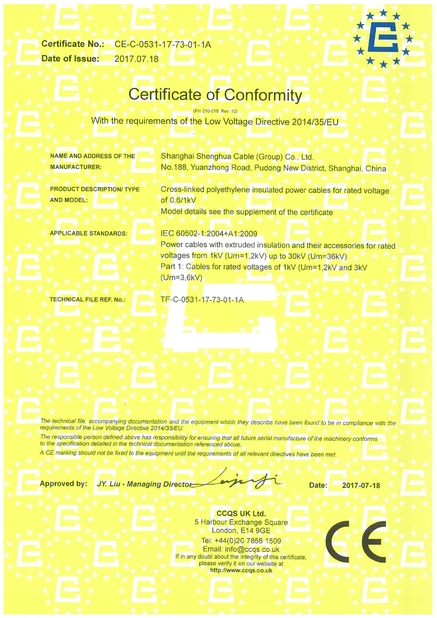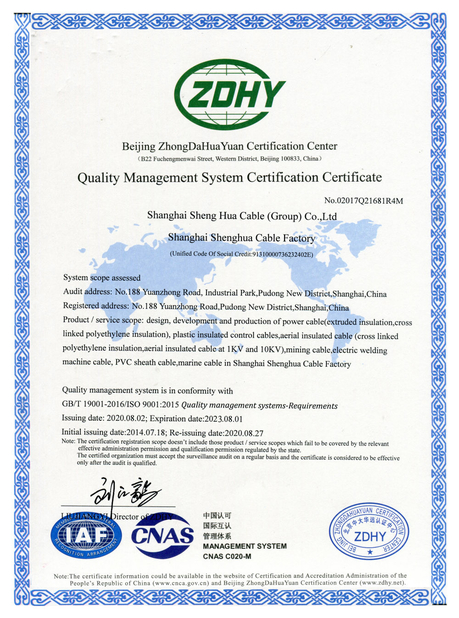
शंघाई Shenghua केबल (समूह) कं, लिमिटेड

शेंग्हुआ केबल से तकनीकी अंतर्दृष्टि
दिनांक: 19 मार्च, 2024
केबल इन्सुलेशन ब्रेकडाउन बिजली ट्रांसमिशन सिस्टम में सबसे गंभीर जोखिमों में से एक है। एक बार इन्सुलेशन विफल हो जाने पर, यह शॉर्ट सर्किट, उपकरण क्षति, बड़े पैमाने पर आउटेज और आग दुर्घटनाओं का कारण बन सकता है।
दशकों के परिचालन और विनिर्माण अनुभव के आधार पर,शेंग्हुआ केबल (शंघाई शेंग्हुआ केबल टेक्नोलॉजी ग्रुप कं, लिमिटेड) ने बिजली केबलों में इन्सुलेशन विफलता तंत्र का लगातार अध्ययन किया है। ठोस ढांकता हुआ सिद्धांत लागू करके और वास्तविक दुनिया के इंजीनियरिंग मामलों को मिलाकर, कंपनी ने केबल सुरक्षा में सुधार और सेवा जीवन का विस्तार करने के लिए प्रमुख कारणों और निवारक रणनीतियों को संक्षेप में प्रस्तुत किया है।
तकनीकी विनिर्देशों और प्रमाणित केबल समाधानों के लिए, यहां जाएं:
https://www.shanpowercable.com/
बिजली केबलों में, इन्सुलेशन सामग्री ठोस ढांकता हुआ के रूप में कार्य करती है। जब लगाया गया वोल्टेज ढांकता हुआ झेलने वाली महत्वपूर्ण विद्युत क्षेत्र शक्ति से अधिक हो जाता है, तो करंट का अचानक प्रवाह होता है। इन्सुलेशन करंट को अवरुद्ध करने की अपनी क्षमता खो देता है - इसे ढांकता हुआ ब्रेकडाउन के रूप में जाना जाता है।
ठोस इन्सुलेशन ब्रेकडाउन के तीन मुख्य रूप हैं:
जब वोल्टेज पर्याप्त रूप से उच्च होता है, तो ढांकता हुआ के अंदर मुक्त इलेक्ट्रॉन एक मजबूत विद्युत क्षेत्र के तहत तेज हो जाते हैं। ये इलेक्ट्रॉन परमाणुओं से टकराते हैं, आयनीकरण श्रृंखलाएं और अधिक मुक्त चार्ज वाहक बनाते हैं।
यह हिमस्खलन प्रभाव अंततः इन्सुलेशन संरचना को नष्ट कर देता है।
विद्युत ब्रेकडाउन आमतौर पर इसके तहत होता है:
जब केबल लंबे समय तक वोल्टेज के तहत संचालित होते हैं, तो ढांकता हुआ नुकसान इन्सुलेशन के अंदर गर्मी उत्पन्न करते हैं।
यदि गर्मी उत्पादन गर्मी अपव्यय से अधिक हो जाता है:
ओवरलोड ऑपरेशन और खराब गर्मी अपव्यय सामान्य योगदानकर्ता हैं।
समय के साथ, इन्सुलेशन सामग्री के अधीन होती है:
उम्र बढ़ने से धीरे-धीरे प्रदर्शन में गिरावट आती है। यदि बुलबुले या हवा के अंतराल मौजूद हैं, तो आंशिक निर्वहन या कोरोना निर्वहन विकसित हो सकता है, जिससे स्थानीय कार्बनकरण और अंततः ब्रेकडाउन हो सकता है।
क्षेत्र के वर्षों के अनुभव के माध्यम से, शेंग्हुआ केबल ने कई प्रमुख प्रभावित करने वाले कारकों की पहचान की है:
विद्युत क्षेत्र शक्ति (E) इन्सुलेशन मोटाई (d) के विपरीत आनुपातिक है:
E = V / d
जहां:
मोटी इन्सुलेशन विद्युत क्षेत्र की तीव्रता को कम करती है और ब्रेकडाउन वोल्टेज को बढ़ाती है।
यही कारण है कि शेंग्हुआ केबल विनिर्माण के दौरान इन्सुलेशन मोटाई और एकरूपता को सावधानीपूर्वक नियंत्रित करता है, खासकर मध्यम- और उच्च-वोल्टेज केबलों के लिए।
इन्सुलेशन के अंदर अशुद्धियाँ और सूक्ष्म-बुलबुले अत्यंत खतरनाक होते हैं।
क्योंकि:
ये कमजोर बिंदु ब्रेकडाउन के शुरुआती बिंदु बन जाते हैं।
उत्पादन के दौरान सख्त सामग्री सुखाने और वैक्यूम डीगैसिंग प्रक्रियाएं आवश्यक हैं।
कंडक्टर और इन्सुलेशन परत के बीच के अंतराल बुलबुले के समान आयनीकरण क्षेत्र बनाते हैं, जिससे ढांकता हुआ शक्ति कम हो जाती है।
सटीक एक्सट्रूज़न और बॉन्डिंग नियंत्रण दीर्घकालिक प्रदर्शन के लिए महत्वपूर्ण हैं।
नमी नाटकीय रूप से इन्सुलेशन शक्ति को कम करती है:
एक बार इन्सुलेशन पानी को अवशोषित कर लेता है, तो ब्रेकडाउन वोल्टेज तेजी से गिर जाता है।
इन्सुलेशन एक समान विद्युत क्षेत्र में उच्च वोल्टेज का सामना करता है। गैर-समान क्षेत्रों में, ब्रेकडाउन वोल्टेज काफी कम हो जाता है।
35kV और उससे ऊपर के रेटेड केबलों के लिए, टर्मिनेशन पर विद्युत क्षेत्र वितरण को अनुकूलित करने के लिए स्ट्रेस कोन और ग्राउंडिंग शील्ड रिंग का उपयोग किया जाता है।
शेंग्हुआ केबल संपीड़न शक्ति और विश्वसनीयता में सुधार के लिए नियंत्रित तनाव वितरण के साथ अपने उच्च-वोल्टेज सिस्टम डिजाइन करता है।
परिचालन मामलों के आधार पर, विफलता के प्रमुख कारणों में शामिल हैं:
यांत्रिक क्षति इन्सुलेशन विफलता का एक प्रमुख कारण बनी हुई है।
सामान्य उदाहरण:
उचित स्थापना और यांत्रिक सुरक्षा आवश्यक है।
केबल टर्मिनेशन और मध्यवर्ती जोड़ कमजोर बिंदु हैं।
विशिष्ट कारण:
उच्च-वोल्टेज टर्मिनेशन से विद्युत क्षेत्र एकाग्रता से बचने के लिए सावधानीपूर्वक निर्माण किया जाना चाहिए।
नमी का प्रवेश इसके कारण होता है:
एक बार नमी प्रवेश करने पर, ढांकता हुआ शक्ति तेजी से घट जाती है।
ओवरवोल्टेज इसके कारण हो सकता है:
बिजली प्रणाली ओवरवोल्टेज कई केबलों की एक साथ विफलता का कारण बन सकता है।
लंबे समय तक संपर्क में रहने से:
सामग्री को भंगुरता और दरारें होती हैं।
खराब गर्मी अपव्यय अक्सर थर्मल एजिंग का मूल कारण होता है।
इन्सुलेशन ब्रेकडाउन जोखिमों को कम करने के लिए, शेंग्हुआ केबल निम्नलिखित की सिफारिश करता है:
स्थापना के दौरान:
उचित क्षेत्र नियंत्रण ढांकता हुआ शक्ति में काफी सुधार करता है।
संक्षारण और नमी के प्रवेश को रोकने के लिए:
केबल इन्सुलेशन ब्रेकडाउन एक एकल-कारक मुद्दा नहीं है - यह आमतौर पर डिजाइन, सामग्री, स्थापना और परिचालन प्रभावों के संयोजन का परिणाम होता है।
दशकों की विनिर्माण विशेषज्ञता के साथ, शेंग्हुआ केबल इस पर ध्यान केंद्रित करता है:
ठोस इंजीनियरिंग सिद्धांत को वास्तविक दुनिया के अनुप्रयोग अनुभव के साथ मिलाकर, शेंग्हुआ केबल दुनिया भर में ऊर्जा, बुनियादी ढांचे और औद्योगिक परियोजनाओं के लिए विश्वसनीय बिजली केबल समाधान प्रदान करता है।
उत्पाद विनिर्देशों और तकनीकी परामर्श के लिए, यहां जाएं:
https://www.shanpowercable.com/